Defining the Corset Training Corset:
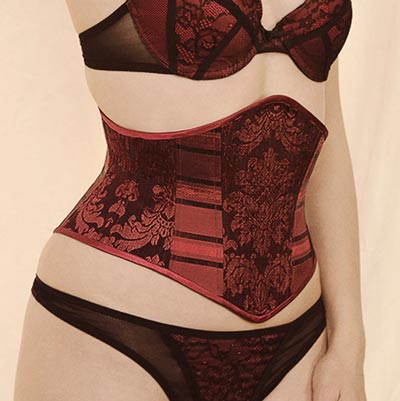
The difference between a regular corset and a corset training corset or tightlacing corset is in the structure and strength. It is used for ‘body modification’, which means it has to have the strength to physically alter the shape of your body for extended periods of time until this becomes permanent to some degree (when taking off a corset you can’t expect your waist to not expand to some degree even after years of corset training).
To take this kind of long term strain, a tightlacing corset has to be made of coutil ideally, I won’t go into the other materials that have been debated over the years, for me it has to be coutil. This is a strong stretchless cotton with a ‘herringbone weave’. Here’s an example:
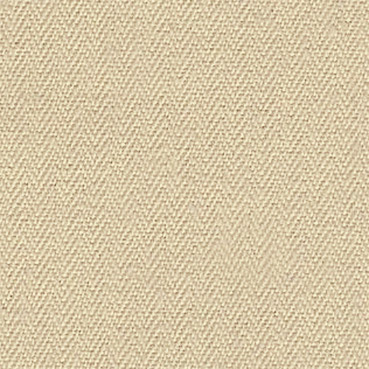
The smaller the herringbone weave, the less give the fabric should have and the better it is for corset making.
You can get satin coutils that aren’t herringbone weave, these materials aren’t as a rule as strong as the above type but make an excellent outer layer when coupled with a herringbone coutil lining. Which brings me onto my next point – layering. You can sometimes get by with a single layer of coutil, I’ve definitely seen a number of historic corsets made of a single layer. But remember the women that wore them had been corset training from a very young age and had tiny waists to support. If you are learning how to make a corset to reduce your waist substantially over time (or a customer’s waist), especially if it is a large or plus sized corset pattern – use two layers of coutil! You can often find three layer waist training corsets available commercially that have an outer layer of fashion fabric and two coutil layers for strength.
My last point to make on corset training corsets is the number of bones. Let’s establish firstly though that they should be made of steel not plastic. Often referred to as ‘steels’, corset bones can be made of two types of steel, sprung steel and spiraled steel wire, as below:

Sprung steel boning comes with the ends rounded and tipped with a plastic. You can buy a continuous reel that can be cut with tin snips, rounded with a metal file and dipped in a liquid tipping fluid. Spiral steels need to be cut and capped with small metal U tips.
In a corset training corset you should expect to find the seams double boned, ie two bones at each seam with the seam running in-between. Some corsets will have more, the more bones the more strength and comfort the corset should provide. And that concludes the basics you should look for in a corset training corset.